
If you live in East Tennessee, you already know summer heat is only part of the story. The bigger comfort problem is often the humidity. In a place like Knoxville, warm-season conditions are regularly humid enough that your HVAC system is not just cooling your home. It is also working to remove moisture from the air. The Department of Energy notes that in hot, humid climates, an air conditioner must lower both temperature and indoor humidity to keep a home comfortable.
That matters because excess humidity changes how your home feels, how hard your system works, and how efficiently it runs. EPA guidance says keeping indoor relative humidity between 30% and 60% helps control mold, dust mites, and cockroaches, while DOE notes that poor dehumidification can leave indoor air feeling damp even when the temperature is cool.
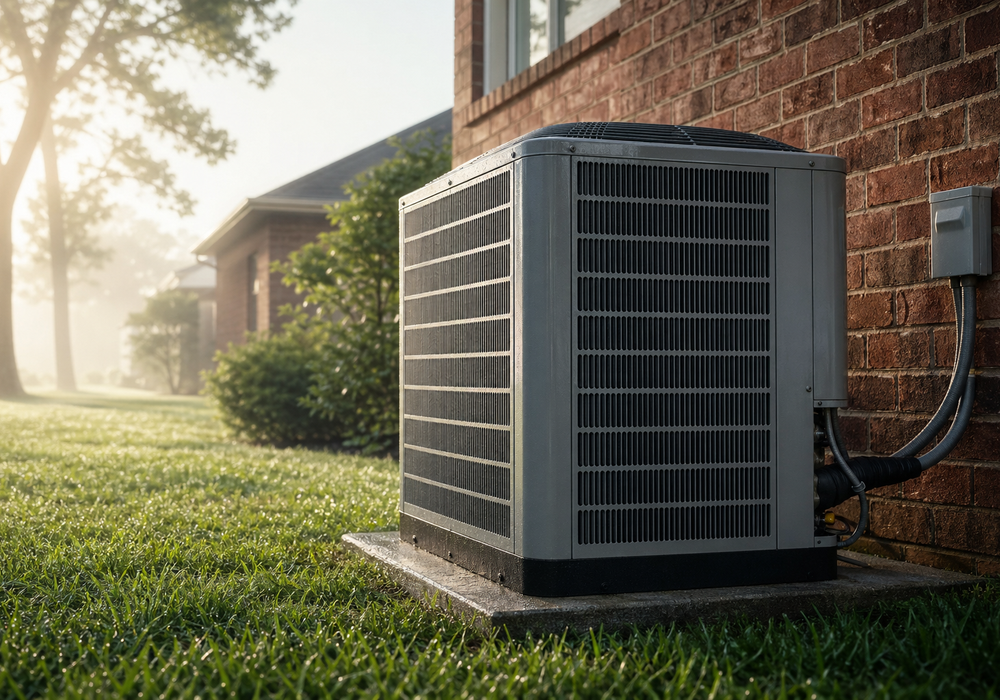
Why Humidity Is Such a Big Deal in East Tennessee
Knoxville has a humid subtropical climate, and even the current local forecast shows the kind of fast-changing warm, moist weather that puts cooling systems to work. When outdoor air carries a lot of moisture, your HVAC system has to remove that moisture while also cooling the house. That means humidity adds to the workload, not just the discomfort.
For homeowners, that extra moisture can affect:
- comfort
- energy bills
- system run time
- indoor air quality
- equipment wear
Your HVAC System Has to Remove Moisture, Not Just Heat
A lot of homeowners think air conditioning is only about temperature. In reality, your system is also dehumidifying your home during cooling season. DOE explains that if an air conditioner does not dehumidify adequately, the air can feel uncomfortably damp even if the home seems cool.
That is why a home can read 72 degrees on the thermostat and still feel sticky or muggy. In East Tennessee, that clammy feeling is often a sign that humidity is staying too high indoors.
High Humidity Makes Your Home Feel Less Comfortable
One of the first things humidity does is reduce comfort. Moist air makes it harder for sweat to evaporate from your skin, so the house feels warmer than the thermostat setting suggests. DOE specifically notes that comfort in humid climates depends on controlling both temperature and indoor moisture.
This often shows up as:
- a cool house that still feels sticky
- bedrooms that feel muggy at night
- some rooms feeling heavier or stuffier than others
- the thermostat being lowered more often just to feel comfortable
When that happens, many homeowners respond by turning the temperature down, which can increase energy use without fixing the root problem.
Humidity Can Increase HVAC Run Time and Energy Use
When the air is humid, your HVAC system has more work to do. It has to keep removing moisture while also pulling heat out of the home. That added demand can mean longer cooling cycles and higher power consumption, especially during Knoxville’s muggy summer stretches. DOE notes that cooling systems in humid climates must manage both sensible load and moisture load to maintain comfort.
If your system is already aging, dirty, low on refrigerant, or struggling with airflow, East Tennessee humidity can make those weaknesses more obvious.
Oversized Systems Often Handle Humidity Poorly
One of the most common humidity-related HVAC issues is oversizing. ENERGY STAR says oversized air conditioners can cool a space before they have time to remove enough humidity, which leaves the home feeling damp and clammy. DOE makes the same point, noting that oversized units often cycle off before properly dehumidifying.
This matters a lot in Knoxville-area homes because a system that is “too powerful” is not necessarily better. In fact, when humidity is high, an oversized system can create several problems:
- short cycling
- poor dehumidification
- uneven comfort
- higher wear from repeated starts and stops
Humidity Can Lead to Short Cycling Problems
When indoor humidity stays high and the system is oversized or not running efficiently, short cycling often becomes part of the problem. Short cycling means the system turns on and off too often instead of completing longer, steadier cooling cycles. Those shorter cycles can reduce moisture removal and add strain to components over time. DOE and ENERGY STAR both connect humidity control problems with oversizing and insufficient run time.
If your system cools the home quickly but the air still feels damp, short cycling may be part of what is going on.
Excess Moisture Can Affect Indoor Air Quality
Humidity does not only affect comfort. It also affects indoor air quality. EPA says that maintaining indoor relative humidity between 30% and 60% helps control mold, dust mites, and cockroaches, all of which can affect how healthy and comfortable a home feels.
When indoor humidity stays too high, homeowners may notice:
- musty odors
- more allergy irritation
- condensation on vents or cooler surfaces
- mold or mildew growth in problem areas
- a stale feeling in the house
That makes humidity control an HVAC issue and a home-health issue at the same time.
Humidity Can Expose Airflow and Maintenance Problems
East Tennessee humidity tends to magnify existing HVAC problems. If your filter is dirty, coils are dirty, airflow is restricted, or the condensate system is not draining properly, humidity control often gets worse. EPA guidance emphasizes that maintenance of heating and air conditioning equipment, along with adequate ventilation and air distribution, is important for managing biological pollutants and moisture-related issues.
In other words, humidity often reveals problems that were already building in the system.
Your Condensate System Works Harder in Humid Weather
As your air conditioner removes moisture from the air, that water has to drain out of the system. In humid conditions, the condensate drain system works harder because the HVAC equipment is pulling more moisture out of indoor air. If that drain line clogs or backs up, you can end up with leaks, water around the indoor unit, musty smells, or system shutdowns.
This is one reason why regular summer maintenance matters so much in East Tennessee. More humidity means more moisture passing through the system, and that means more opportunity for drainage-related trouble.
Humidity Can Make You Think the AC Is Broken
A lot of homeowners assume their AC is failing when the home feels uncomfortable, but sometimes the bigger issue is moisture control rather than temperature control. DOE notes that a home can feel damp even when cooled if the system is not dehumidifying adequately.
That can look like:
- the AC is running, but the home still feels uncomfortable
- you keep lowering the thermostat without feeling better
- the house feels cold and clammy instead of cool and dry
- the system seems to be working, but comfort is still poor
When that happens, the issue may be sizing, airflow, controls, maintenance, or the need for added dehumidification support.
What Knoxville Homeowners Can Do About High Humidity
The good news is that there are ways to improve humidity control and reduce strain on your HVAC system.
Keep Filters Changed
Restricted airflow can make humidity control worse. A clean filter helps the system move air properly and operate more effectively.
Schedule Seasonal HVAC Maintenance
Professional maintenance can help identify dirty coils, airflow problems, refrigerant issues, and drainage issues before they become major comfort problems.
Make Sure the System Is Properly Sized
Oversized systems are a major cause of poor dehumidification. ENERGY STAR says bigger is not always better when it comes to cooling equipment.
Use the Fan Setting Correctly
During cooling season, leaving the fan set to “On” instead of “Auto” can sometimes make humidity feel worse because moisture can be reintroduced from the coil after the compressor shuts off. This is a common practical consideration when homeowners complain of clammy indoor air.
Consider Supplemental Dehumidification
DOE materials on humidity-control strategies note that standalone or central dehumidification can be useful when moisture loads remain high even with properly sized cooling equipment.
When to Call an HVAC Professional
You should have your system checked if:
- your home feels muggy even when the AC runs
- your energy bills suddenly rise
- the system short cycles
- you notice water leaks near the indoor unit
- the house feels cool but clammy
- you smell mildew or notice recurring indoor moisture issues
In East Tennessee, humidity problems rarely improve on their own. They usually point to an HVAC issue, an airflow issue, a sizing issue, or a moisture-management issue somewhere in the home.
Trust Airecare for Humidity and HVAC Problems in Knoxville, TN
At Airecare, we understand what East Tennessee humidity does to your HVAC system because local weather puts that issue front and center every summer. If your home feels sticky, your system is struggling, or your cooling bills keep climbing, it may be time to look at more than just temperature. Proper maintenance, correct sizing, good airflow, and the right humidity-control strategy can make a big difference in comfort and performance.
If your HVAC system is having trouble keeping up with Knoxville humidity, Airecare can help you find the cause and recommend the right solution for your home.
FAQs
Why does my house feel humid even with the AC on?
Your system may not be removing enough moisture because of oversizing, short cycling, airflow problems, or maintenance issues. DOE notes that inadequate dehumidification can leave air feeling damp even when it is cool.
Can humidity make my HVAC system work harder?
Yes. In humid climates, the system has to remove moisture as well as heat, which increases the cooling load.
What indoor humidity level should my home stay under?
EPA says maintaining indoor relative humidity between 30% and 60% helps control mold, dust mites, and cockroaches.
Can an HVAC system be too big for a humid climate?
Yes. ENERGY STAR says oversized cooling equipment can cool a space before it has time to remove enough humidity, leaving the home damp and clammy.
0 Comments