
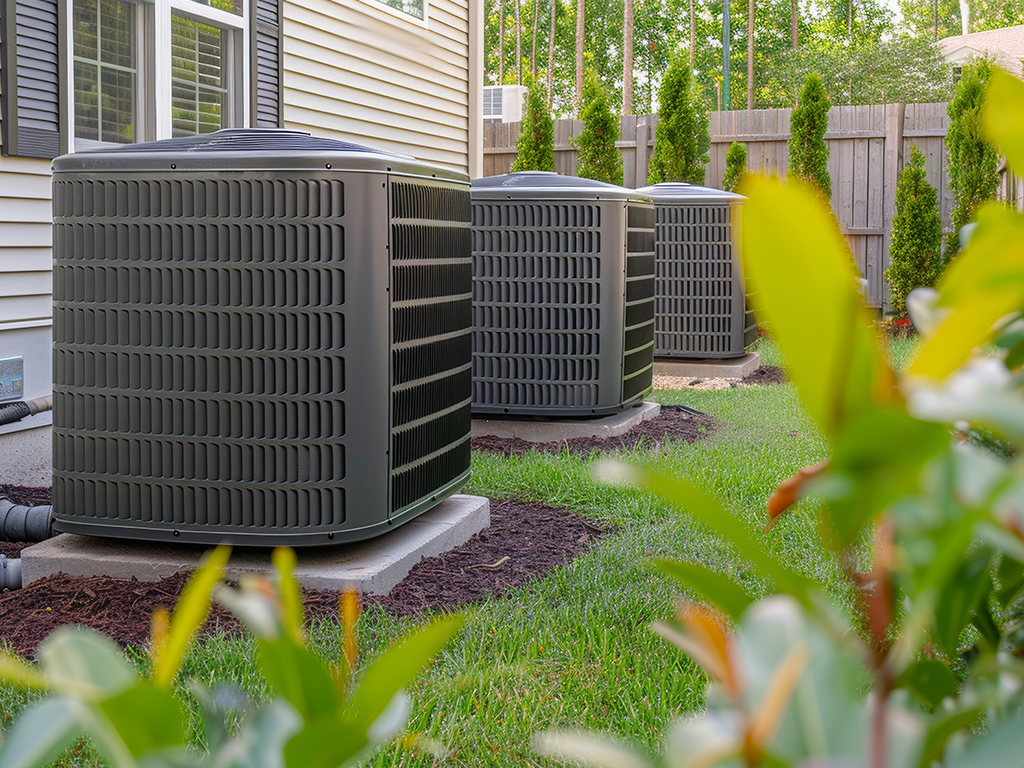
If you own a heat pump in Knoxville, your system has to do a lot more than just handle one season well. It has to cool your home through hot, humid East Tennessee summers and then switch gears to provide heat during chilly winter weather. That year-round workload is one of the biggest reasons heat pumps are so popular here, but it is also why Knoxville’s seasonal weather swings can have a real impact on performance, efficiency, comfort, and long-term wear. NOAA climate data for Knoxville shows clear seasonal variation, while DOE notes that traditional heat pump performance can decline as outdoor temperatures drop.
For Knoxville homeowners, that means your heat pump does not just face “summer” and “winter.” It also has to adapt to sudden temperature changes in spring and fall, humidity shifts, and periods where a mild morning turns into a warm afternoon. If your system is not properly maintained, correctly sized, or installed well, those weather swings can expose weaknesses quickly.
Why Heat Pumps Are a Good Fit for Knoxville Homes
Heat pumps are a strong option for many Knoxville-area homes because they provide both heating and cooling in one system. Instead of generating heat the way a furnace does, a heat pump moves heat from one place to another. In summer, it removes heat from inside your home. In winter, it pulls heat from outdoor air and moves it indoors. DOE explains that heat pumps can deliver efficient year-round comfort, and newer cold-climate models improve reliability in lower temperatures.
That makes heat pumps a practical solution for East Tennessee, where winters are often manageable but still cold enough to challenge an aging or underperforming system.
Knoxville’s Weather Is Not Static—And Your Heat Pump Feels It
Knoxville’s climate includes hot summers, seasonal humidity, and meaningful winter cold, rather than one steady temperature pattern all year. NOAA’s Knoxville climate normals reflect those month-to-month swings, and the local forecast this week alone shows a fast warm-up from the upper 60s into the low 80s within days.
Those kinds of shifts matter because your heat pump has to:
- adjust to different outdoor temperatures
- manage both cooling and heating demands
- handle humidity during warmer months
- work harder during cold snaps
- cycle more often during transitional seasons
A system that is well-maintained can handle this much better than one with dirty coils, airflow problems, thermostat issues, or refrigerant loss.
Summer Heat Makes Your Heat Pump Work Harder
In summer, your heat pump functions like an air conditioner. It pulls heat from inside your home and releases it outside. When Knoxville temperatures climb and humidity rises, that process becomes more demanding. Hot weather means the system has to run longer to keep indoor temperatures comfortable, and high humidity adds even more strain because your system is also helping remove moisture from the air. NOAA climate data and current NWS observations for Knoxville both support the region’s warm-season heat and humidity profile.
This can lead to common warm-weather problems such as:
- longer cooling cycles
- higher electric bills
- reduced comfort in very hot afternoons
- poor humidity control
- extra wear on key components
If your heat pump is already dealing with dirty filters, clogged coils, or low refrigerant, Knoxville’s summer conditions can make those issues much more noticeable.
Winter Cold Reduces Heating Performance
A heat pump can still work in cold weather, but colder outdoor temperatures make it harder for the system to extract heat from the air. DOE specifically notes that traditional electric heat pumps can experience performance decline below 32°F, which is why newer cold-climate technologies have been developed to maintain better capacity in lower temperatures.
For Knoxville homeowners, this matters during winter cold snaps. Even though East Tennessee is not the coldest region in the country, your heat pump may still:
- run longer to maintain the thermostat setting
- switch into defrost mode more often
- rely more on auxiliary heat
- use more electricity during colder stretches
That does not necessarily mean something is wrong. It may simply mean your system is responding to tougher outdoor conditions. But if your home never seems warm enough or your energy bills spike dramatically, it could point to maintenance or performance issues that need attention.
Spring and Fall Temperature Swings Can Cause More Cycling
Many homeowners think only extreme weather matters, but Knoxville’s in-between seasons can be hard on HVAC equipment too. Spring and fall often bring cool mornings, warm afternoons, and fluctuating indoor comfort needs. NWS data for Knoxville regularly reflects these quick shifts.
During these shoulder seasons, your heat pump may cycle on and off more often. That can create issues if:
- your thermostat is not calibrated correctly
- your system is oversized
- airflow is restricted
- your home has insulation or duct leakage problems
Frequent cycling can reduce efficiency and place extra strain on electrical and mechanical components over time.
Humidity Plays a Bigger Role Than Many Homeowners Realize
Knoxville homeowners do not just deal with heat. They also deal with humidity. During the warmer months, a heat pump helps remove moisture from indoor air while cooling the home. If the system is not operating properly, your house may feel sticky or muggy even if the thermostat says the temperature is where it should be.
Humidity-related heat pump issues can include:
- the home feels cool but uncomfortable
- the system short cycles and does not dehumidify well
- musty odors develop
- indoor air quality feels worse
- some rooms feel damp or stale
Because East Tennessee humidity can stay high in warmer seasons, this is an important comfort issue for local homeowners. NOAA’s local climate data supports Knoxville’s humid warm-season conditions.
Defrost Cycles Are Normal in Winter—but Problems Are Not
When outdoor temperatures drop and frost forms on the outdoor coil, your heat pump may enter defrost mode. This is a normal part of operation. The system temporarily reverses to melt frost so it can continue heating effectively.
However, a problem can develop if:
- defrost cycles happen too often
- the outdoor unit stays iced over
- the system struggles to return to normal heating
- airflow is blocked around the outdoor unit
If your outdoor unit looks frozen solid for extended periods, that is not something to ignore. Knoxville winter weather may not be extreme compared with northern climates, but it is still cold enough to reveal defrost or airflow issues in a struggling system.
Energy Bills Often Reveal Seasonal Stress First
One of the first signs that Knoxville’s weather swings are affecting your heat pump is a sudden change in your utility bill. In summer, your cooling costs may rise because the unit is running longer in heat and humidity. In winter, costs can increase when the system loses efficiency in colder outdoor air or relies more heavily on backup heat. DOE emphasizes that proper system performance, newer technology, and correct installation all play a role in getting the expected energy savings from heat pump systems.
If your energy bills seem unusually high, weather may be part of the reason, but it is often not the only reason. A tune-up can help identify whether the real problem is maintenance, airflow, thermostat settings, refrigerant loss, or aging equipment.
Poor Installation Becomes More Obvious During Seasonal Extremes
A heat pump that is improperly sized or poorly installed might seem “good enough” during mild weather, but seasonal extremes often expose underlying issues. DOE-backed research highlights that installation quality and applied efficiency losses can meaningfully affect heat pump performance.
In Knoxville, poor installation may show up as:
- uneven temperatures between rooms
- weak airflow
- short cycling in spring and fall
- poor cooling in summer
- weak heating in winter
- excessive use of auxiliary heat
That is why correct sizing, duct evaluation, airflow setup, and thermostat performance matter so much.
How Knoxville Homeowners Can Help Their Heat Pump Perform Better
The good news is that there are several ways to help your heat pump handle East Tennessee’s changing weather more efficiently.
Change Your Air Filter Regularly
A clogged filter can reduce airflow in every season. That means poorer cooling in summer, weaker heating in winter, and more strain year-round.
Schedule Seasonal Maintenance
A professional tune-up helps catch refrigerant issues, dirty coils, electrical wear, thermostat problems, and airflow restrictions before they create bigger problems.
Keep the Outdoor Unit Clear
Leaves, grass, debris, and overgrown plants can block airflow around the outdoor unit and reduce performance in both heating and cooling mode.
Watch for Short Cycling or Long Run Times
If the system turns on and off too frequently or seems to run constantly, it may be reacting poorly to changing outdoor conditions.
Pay Attention to Comfort Changes
If some rooms are too warm, too cold, too humid, or too dry, your heat pump may need service or your home may need airflow and duct improvements.
When It May Be Time to Repair or Replace Your Heat Pump
If your heat pump struggles every time Knoxville weather changes, that is a sign worth taking seriously. Older systems often lose efficiency and reliability over time, especially when they are working year-round.
You may want to schedule an inspection if:
- your system cannot keep up in summer or winter
- energy bills are rising without a clear reason
- auxiliary heat runs too often
- the system needs repeated repairs
- indoor comfort is inconsistent
In some cases, a repair may solve the issue. In others, replacing an older system with a modern high-efficiency heat pump may offer better comfort and lower operating costs.
Trust Airecare for Heat Pump Service in Knoxville, TN
At Airecare, we understand how Knoxville’s seasonal weather swings affect your heat pump because we work with East Tennessee homeowners through every season. Whether your system is struggling with summer humidity, winter cold, short cycling, or rising energy bills, our team can help diagnose the problem and recommend the right solution for your home.
If your heat pump is not keeping up with Knoxville weather, now is a good time to have it checked. Professional maintenance, timely repairs, and expert installation can make a major difference in year-round comfort and efficiency.
0 Comments